Commercial Waste Removal Forest Gate: Recycling and Sustainability
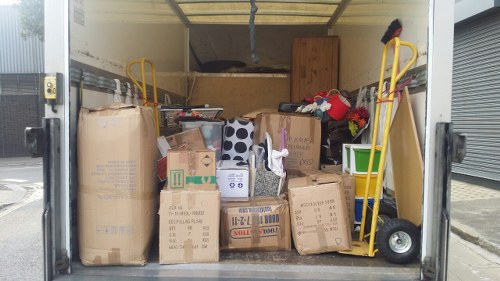 In Forest Gate, efficient commercial waste removal Forest Gate services are increasingly focused on creating an eco-friendly waste disposal area that supports the whole community. This page explains our approach to sustainable rubbish area management and how local businesses can help meet ambitious recycling goals. By aligning commercial waste collection with borough-level separation schemes and low-carbon logistics, we aim to turn commercial waste streams into resources rather than burdens.
Our commitment to commercial waste removal in Forest Gate includes measurable targets and clear actions. We prioritise segregated collections for paper, cardboard, glass, food waste and mixed recyclables, and we work with property managers to streamline on-site sorting. Flexible collection frequencies and dedicated recycling containers reduce contamination and increase recovery rates for commercial premises across the area.
 To drive progress we have set a recycling percentage target of 65% for commercial waste streams within three years — an ambitious but achievable benchmark that complements local municipal targets. Key steps to hit this target include improved front-of-house separation, mandatory container labelling, staff training for waste handling, and incentives for businesses that demonstrate higher recycling rates.
Partnerships are central to a resilient sustainable rubbish collection Forest Gate network. We collaborate with local charities and reuse organisations to divert items with reuse potential — from office furniture and textiles to small electrical appliances. These relationships ensure that materials suitable for resale or refurbishment are redirected away from landfills and back into the local economy.
 The borough's approach to waste separation informs our operational model: we mirror the London borough system for dry recyclables and food waste collections, and we encourage businesses to adopt the same sorting rules used by their residential neighbours. This alignment reduces contamination and simplifies education campaigns because staff and customers quickly recognise consistent colour-coded bin systems and labelling conventions.
We prioritise low-carbon logistics across every step of commercial waste removal in Forest Gate. Our fleet increasingly uses low-emission vans and electric vehicles for short urban runs, cutting operational CO2 while reducing local noise and air pollution. Vehicle routing is optimised to limit mileage, and load consolidation points are used where practical to minimise unnecessary trips.
Local transfer stations and resource recovery centres are important hubs for sustainable waste management. We make regular use of nearby transfer facilities that accept segregated loads for onward processing, recycling and composting. These transfer stations help keep the eco-friendly waste disposal area moving by providing efficient consolidation and access to specialised sorting plants.
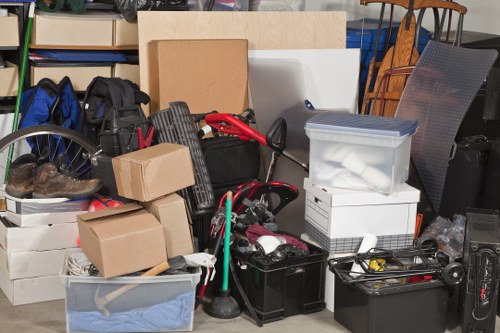 Key facilities we work with include council-operated transfer yards and licensed private sites that accept commercial recyclables and controlled waste types. Typical commercial collections are sorted into primary streams — paper & cardboard, glass, metal, plastics and organics — and then routed to material-specific processors. This separation at source increases material quality and market value.
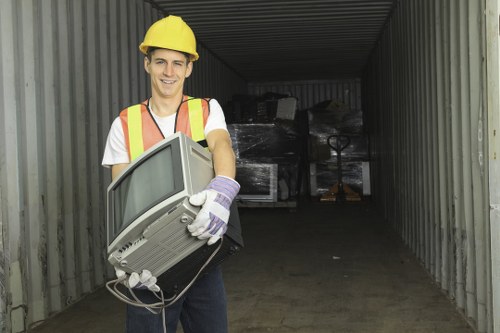
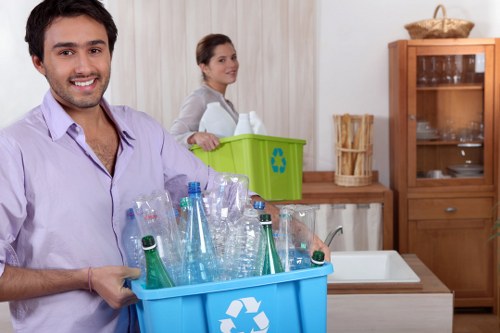 To support circular-economy outcomes, we run targeted recycling activity such as pallet reuse programmes, secure hard-drive destruction and WEEE collection for businesses disposing of old electronics. Our charity partnerships also include scheduled item pickups and donation logistics, enabling safe, hygienic transfer of usable goods to local social enterprises and community groups.
Operational measures and community benefits
What businesses can expect: streamlined waste audits, tailored collection plans, and reporting that tracks progress toward the recycling target. We provide clear bin signage, staff induction materials and periodic waste composition audits so companies can see where improvements are being made and where additional training is effective.Local initiatives that support sustainability
Examples include:- Coordinated food-waste collection to local anaerobic digestion facilities
- Glass and aluminium consolidation for high-quality recycling
- Paper/cardboard baling to reduce transport costs and emissions
Our model emphasises transparency and measurable outcomes. Regular reporting shows progress against the 65% commercial recycling objective, highlights diversion rates from landfill and measures carbon savings from our low-carbon vans and smarter routing. We also publish case studies of successful charity redirects and reuse projects to inspire wider adoption.
Getting involved: businesses are encouraged to introduce consistent on-site separation rules that mirror the local borough scheme, appoint a waste champion, and take advantage of bulk reuse pickups arranged with partner charities. Small changes in procurement, packaging choices and in-store sorting can significantly increase the capture of recyclable materials at source.
In short, commercial waste services in Forest Gate are evolving toward a sustainable rubbish area model where eco-friendly waste disposal Forest Gate is the norm: lower emissions, higher recycling rates, and stronger links to the local circular economy. By working with transfer stations, charitable partners and low-carbon transport, businesses can help create a cleaner, greener Forest Gate.
We welcome participation from local enterprises and property managers ready to make sustainable waste choices, and we continue to refine our operations to meet both regulatory expectations and community sustainability goals.
