Romford Road guide to business rubbish collection in Forest Gate
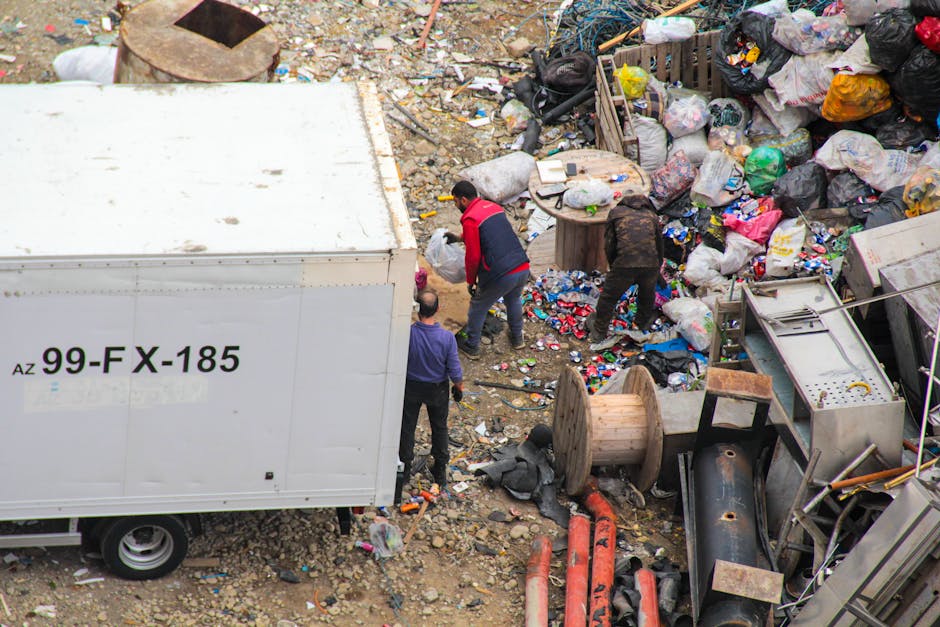
If you run a shop, office, cafe, salon, workshop, or small trade business near Romford Road, rubbish has a funny way of piling up just when you are busiest. One box turns into five. A few broken chairs become a back room problem. Then someone says, "we'll deal with it next week," and next week never quite arrives.
This Romford Road guide to business rubbish collection in Forest Gate is here to make the whole thing simpler. It explains how commercial waste collection works, what businesses usually need, where the risks are, and how to choose a service that keeps your premises tidy without turning waste removal into another headache. You will also find practical tips, a comparison table, and a realistic checklist you can actually use.
To be fair, most business owners do not want to spend time thinking about bins. They just want the clutter gone, the floor clear, and the paperwork right. That is the real job here.
Why Romford Road guide to business rubbish collection in Forest Gate Matters
Romford Road is busy, practical, and constantly moving. That is part of its appeal, but it also means businesses along and around the road need waste handled with a bit of discipline. When rubbish is left too long, it starts to affect everything: first impressions, health and safety, storage space, even staff morale. Nobody enjoys squeezing past old packaging at 8:30 on a Monday morning.
For businesses in Forest Gate, waste collection is not just about "getting rid of stuff." It affects how smoothly your operation runs. A cluttered stockroom slows down order picking. Overflowing food waste can cause odours. Old office furniture can block access routes. Construction and refurbishment waste can become a trip hazard faster than you think.
And then there is the customer angle. People notice. Even if they do not say anything, they notice the torn bags outside the back door, the rusty fridge by the wall, or the pile of boxes leaning into the passageway. It sends a message about standards. Fair or not, that is how business works.
In a commercial area like Forest Gate, reliable rubbish collection also helps you stay organised around loading, access, and timing. Many businesses do not have the luxury of large storage areas. A collection that comes at the wrong moment can interrupt trading; a collection that comes too late can create a mess. Good planning makes the whole thing feel almost invisible. Almost.
If your business deals with mixed waste, office clear-outs, or occasional bulky items, it may be worth looking at a broader business waste removal service alongside specialist clearance options such as office clearance or builders waste clearance.
How Romford Road guide to business rubbish collection in Forest Gate Works
Commercial rubbish collection is usually more flexible than standard domestic collection, but the exact process depends on the type and volume of waste. In plain English, you identify what needs removing, agree the collection method, arrange a suitable time, and make sure the waste is ready for safe loading.
Most business collections follow a simple pattern:
- You assess the waste stream or the one-off pile-up.
- You separate anything sensitive, hazardous, or reusable.
- You get a quote or booking based on volume, weight, access, and type of waste.
- The collection team arrives and removes the waste from the agreed location.
- Items are then sorted for disposal, recycling, or specialist handling where needed.
That sounds straightforward because, in many cases, it is. But the details matter. A mixed office clearance is handled differently from a shop refit. A few sacks of packaging are not the same as broken shelving or heavy appliances. If you are clearing a back office, confidential files may need separate treatment through confidential shredding. If you are removing a fridge, that needs proper handling through fridge and appliance removal.
Access is a big factor on Romford Road and nearby streets. Is there easy loading? Will the collection vehicle need short-stay access? Can waste be brought to ground level, or does it need carrying down stairs? These practical questions change the time needed, and that affects cost and planning. Nothing glamorous here, but very real.
For businesses with regular waste output, a combination of routine collection and occasional clearances tends to work best. That way, day-to-day waste does not build up, and bigger jobs can be handled without chaos.
Key Benefits and Practical Advantages
There are obvious benefits to having rubbish collected. The less obvious ones are often the most valuable.
- More usable space. A clear storeroom, yard, or office corner instantly works better.
- Better safety. Less clutter means fewer trip hazards and fewer awkward obstacles.
- Cleaner customer perception. Neat premises usually feel more professional.
- Less staff frustration. People work better when they are not dodging waste.
- Faster turnaround for refurbishments or moves. Clearance keeps projects moving.
- Improved waste separation. Recyclable material is easier to sort when the pile is managed.
There is also a hidden benefit: mental clarity. It sounds slightly soft, but it is true. A tidy back-of-house area makes decisions easier. You can see what you actually have, what needs replacing, and what can go. When things are hidden behind old furniture and boxes, everything feels more complicated than it is.
If sustainability matters to your business, ask how recyclables and reusable items are handled. A good provider should be able to explain their approach in plain terms. You do not need a lecture. You need a clear answer. The recycling and sustainability page is a useful starting point if you want to understand how waste can be diverted more responsibly.
And yes, cost savings matter too. Efficient collection can reduce staff time spent shifting rubbish around, which is one of those expenses that never appears on a neat invoice but adds up all the same.
Who This Is For and When It Makes Sense
This kind of service is useful for far more than large companies. In fact, some of the biggest gains come from small and medium-sized businesses that do not have spare storage or dedicated facilities teams.
You may need business rubbish collection if you run:
- a retail shop with packaging, display waste, or old stock
- a cafe, takeaway, or food business with regular bagged waste and occasional bulky items
- an office with furniture to remove, archive boxes, or end-of-lease clutter
- a salon or clinic with packaging, broken equipment, or renovation waste
- a trade business handling offcuts, fixtures, or refurbishment debris
- a landlord, letting agent, or property manager clearing commercial premises
It also makes sense when you are:
- moving location
- rebranding or refurbishing
- downsizing
- closing a branch
- dealing with an unexpected accumulation of waste after a delivery, fit-out, or busy trading period
One small but important point: if your waste is mostly one-off and bulky, a clearance-style solution may be better than a routine collection arrangement. That is where a service such as waste removal can be more practical than trying to make a regular bin system do a job it was never built for.
Truth be told, a lot of businesses wait too long. They tell themselves the waste "isn't that bad yet." Then it becomes the sort of bad that takes a half-day to sort out. If that sounds familiar, you are in good company.
Step-by-Step Guidance
If you want the process to go smoothly, a little preparation goes a long way. Here is a sensible way to handle it.
1. Identify the waste type
Start by separating general rubbish from anything special. General commercial waste might include packaging, broken displays, mixed office clutter, or bagged rubbish. But if you have electrical items, confidential paperwork, food waste, paint, solvents, or other unusual materials, those need a closer look.
2. Estimate the volume honestly
Be realistic. A quick "it's only a few bags" often turns into a van-load once people start gathering items properly. If you are unsure, take a few photos and measure the space roughly. That is usually enough to avoid surprises.
3. Check access and timing
Does the collection need to happen before opening hours? Can the team use a loading bay or side entrance? Will there be steps, tight corridors, or a lift? These details affect everything, so it is better to mention them early rather than halfway through the day, when everyone is already juggling three other things.
4. Separate specialist items
Appliances, mattresses, sofas, and hazardous items should not be mixed into general waste unless the provider has confirmed they can take them. If you are clearing an office, a dedicated office clearance can help keep furniture, paper waste, and equipment organised. For heavier domestic-style items that have ended up in a business setting, mattress and sofa disposal may also be relevant.
5. Book a collection with clear instructions
Give the provider the full picture: type of waste, amount, access, location, and any safety issues. The more precise you are, the smoother the job. There is a direct relationship here. Clear briefing, less drama.
6. Prepare the waste for removal
Stack items safely, keep walkways open, and place bags or boxes where the team can reach them without disturbing trading areas. If items are in a basement or upstairs room, mention that. Nobody likes surprises at the top of a narrow staircase.
7. Confirm disposal expectations
Ask how the waste will be handled after collection, especially if recycling or sensitive material is involved. Good providers should be able to explain the process in a practical way, not hide behind jargon.
Expert Tips for Better Results
Here are the little things that tend to make a big difference.
- Bundle waste by category. Cardboard, metal, wood, office furniture, and general rubbish are easier to handle when kept separate.
- Do a same-day sweep. A fast check around counters, cupboards, and storage areas can catch the odd chair, cable, or forgotten box.
- Keep a "do not remove" pile. Put anything that must stay clearly away from the collection zone. It sounds obvious, but small mistakes happen.
- Plan around trade peaks. If your business is busiest at lunch, mid-afternoon might be better than an awkward morning slot.
- Ask about insurance and safety. For busy premises, you want a provider that takes site safety seriously and can explain how they work.
It also helps to keep a simple waste log, even if it is just a notebook or spreadsheet. What was removed, when, and why? That record is useful for planning future collections and spotting patterns. If, for example, you are always throwing away the same type of packaging, maybe your ordering or storage process needs a tweak.
Sometimes the best advice is the least exciting one: sort first, then lift. Much less stress. Much less mess.
For businesses with data-bearing paper or records, use confidential shredding rather than throwing documents into general waste. It is one of those small decisions that protects you from bigger problems later.
Common Mistakes to Avoid
Most waste problems come from a few repeat mistakes. The good news? They are easy enough to avoid once you see them clearly.
- Leaving everything until the last minute. That nearly always creates a rushed, more expensive job.
- Mixing restricted items into general rubbish. Hazardous or specialist waste should be flagged early.
- Underestimating access problems. A narrow alley, a locked gate, or a flight of stairs can change the job entirely.
- Not separating reusable items. Sometimes furniture or fixtures can be removed more efficiently when identified in advance.
- Ignoring paperwork. Business waste creates a duty of care trail. Keep your records tidy.
- Assuming every provider handles every waste type. They do not. That is just the honest version.
Another common one: booking a collection based on the smallest version of the job you hope it will be, not the real version of the job sitting in the back room. I have seen that go wrong more than once. Better to be slightly generous with your estimate than wildly optimistic.
Tools, Resources and Recommendations
You do not need fancy systems to manage business rubbish well, but a few practical tools help.
- Basic photo evidence. Snap the waste pile from a few angles before booking.
- Measured rough dimensions. Even approximate length, width, and height can improve quoting.
- Simple sorting containers. Boxes, bins, or marked areas for cardboard, mixed waste, and keep items.
- A waste schedule. Note your regular collection days, peak times, and any seasonal patterns.
- A point person. One staff member who knows what is going and what is not saves a surprising amount of time.
It is also worth reviewing a few service pages before you book. If you are dealing with an office move, look at office clearance. If the job is linked to a refurbishment, builders waste clearance may be more appropriate. And if your waste is mixed and you want a broader overview, pricing and quotes can help you understand how jobs are typically assessed.
There is no magic tool that solves waste collection. Just good information, a decent plan, and a service that understands the site. That is usually enough.
Law, Compliance, Standards, or Best Practice
For business waste in the UK, the safest approach is to treat waste handling as a proper operational task, not an afterthought. That means using a responsible collection provider, keeping basic records, and ensuring you do not hand over waste in a way that could put your business at risk.
In practice, good compliance usually means:
- knowing what type of waste you have
- separating special or hazardous items
- keeping an audit trail or collection record where appropriate
- using clear written terms for collection and disposal
- following site safety and access rules during loading
If your waste includes items that may be hazardous, do not guess. Get proper advice first. The same applies to electrical items and anything that might contain confidential information or sharp components. A cautious approach is better than a rushed one. Honestly, that is true in most parts of business.
You can also strengthen internal control by reviewing health and safety policy and insurance and safety information before collections happen, especially if waste will be lifted through public areas or staff-only spaces.
Best practice is not about being perfect. It is about being consistent, sensible, and able to show that waste is handled properly if anyone ever asks.
Options, Methods, or Comparison Table
Different businesses need different collection methods. Here is a straightforward comparison to help you choose what fits.
| Method | Best for | Pros | Watch-outs |
|---|---|---|---|
| Regular business waste collection | Ongoing day-to-day rubbish | Predictable, tidy, easy to plan around | Can be less suitable for bulky one-off clear-outs |
| One-off rubbish collection | Unexpected build-ups, clear-outs, seasonal waste | Flexible and quick | Needs clear volume and access details |
| Office clearance | Furniture, paperwork, old equipment | Good for relocations and refurbishments | May require sorting for confidential or specialist items |
| Builders waste clearance | Fit-outs, repairs, trade debris | Handles heavy and awkward material better | Some materials need separate handling |
| Specialist disposal | Appliances, mattresses, hazardous items, confidential waste | Safer and more appropriate for restricted items | Needs advance notice and correct categorisation |
In many real-world cases, the best answer is a mix. A business might use one method for daily waste and another for periodic clear-outs. That flexible approach is often more efficient than trying to make one system do everything.
Case Study or Real-World Example
Imagine a small independent retailer on Romford Road preparing for a minor refit. Over a few weeks, the back room fills with old display units, broken shelving, packaging, a damaged fridge, and a stack of archive folders that nobody wants to sort through. At first, it looks manageable. Then the room becomes awkward to use, stock starts getting in the way, and staff have to move things twice to reach what they need.
Rather than trying to clear it in bits and pieces, the owner books a planned collection. The folders are set aside for confidential shredding, the appliance is handled separately through fridge and appliance removal, and the rest is removed as part of a broader clearance. The shop regains a proper working space the same day, the refit moves faster, and staff stop treading carefully around that one corner that had become a bit of a hazard.
Nothing dramatic. Just a sensible fix at the right moment. Those are usually the best ones.
If the waste had been ignored for another month, the job would have been messier, more disruptive, and probably more expensive. That is the kind of problem a good collection plan helps you avoid.
Practical Checklist
Use this checklist before booking your business rubbish collection in Forest Gate.
- Have you identified the main waste types?
- Have you separated confidential, hazardous, or specialist items?
- Do you know roughly how much space the waste takes up?
- Is access clear for loading and safe movement?
- Have you checked whether any bulky items need special handling?
- Have you chosen a suitable time that will not interrupt trading too much?
- Have staff been told what to leave in place?
- Have you kept anything valuable, sensitive, or reusable out of the pile?
- Do you know how the waste will be disposed of or recycled?
- Have you stored any records or confirmation notes you may need later?
If you can tick most of those off, you are in a good place. If not, no problem. Better to spot the gaps now than when the collection team is already outside and everyone is looking at each other with that slightly panicked face.
Get a free quote today and see how much you can save.
Conclusion
Business rubbish collection on Romford Road is not just about removing waste. It is about keeping your premises workable, safe, and presentable in an area where space, timing, and access all matter. When the process is handled well, it saves time, reduces stress, and gives you back the room you actually need to run the business.
The main thing is to be clear about what you have, realistic about the volume, and sensible about specialist items. If you do that, the rest becomes much easier. A lot of the difficulty around waste is really just uncertainty wearing a different hat.
For many businesses, the smartest next step is to review the type of rubbish you produce most often, compare it with the clearance pages that fit your situation, and arrange a collection that matches how your business actually operates. Simple. Practical. Done properly.
And once the clutter is gone, you will notice it straight away. The room feels lighter, the day feels easier, and suddenly the back of the business does not feel like the back of the business anymore.
Frequently Asked Questions
What is business rubbish collection in Forest Gate?
It is a service for removing commercial waste from offices, shops, cafes, workshops, and similar premises. That can include general rubbish, bulky items, packaging, and specialist waste depending on the provider and the booking.
How is business waste different from household rubbish?
Business waste is produced by a commercial activity, so it usually needs more careful handling, clearer records, and a service that understands workplace access and waste categories. It is not just "domestic waste, but more of it."
Can I mix office furniture with general rubbish?
Sometimes yes, but it depends on the provider and the type of furniture. In many cases, it is better to separate furniture, paper, and confidential material so the collection is safer and easier to manage.
Do I need a special service for confidential papers?
Yes, if you are disposing of documents that contain personal, financial, or sensitive business information, confidential shredding is the safer choice. It reduces the risk of information being mishandled.
What if my business waste includes a fridge or appliance?
Appliances should usually be treated separately. A service such as fridge and appliance removal is designed for those items, which can be heavy, awkward, or require special handling.
How do I know whether I need one-off clearance or regular collection?
If waste builds up every week, regular collection usually makes sense. If you are dealing with a one-time clear-out, a move, a refit, or a sudden pile of bulky rubbish, one-off clearance is often the better fit.
Is business rubbish collection suitable for small businesses?
Absolutely. Small businesses often benefit the most because they usually have less storage space and fewer staff to move waste around. A tidy, planned collection can save a surprising amount of time.
What should I prepare before the collection arrives?
Sort the waste as much as possible, keep access clear, separate anything sensitive or hazardous, and make sure the collection team can reach the items safely. A few minutes of prep can make a big difference.
Can builders waste be collected from a commercial property?
Yes. If the waste comes from repairs, refurbishment, or fit-out work, a builders waste clearance approach may be more appropriate than general rubbish collection.
How can I make waste collection easier for my staff?
Give one person responsibility, label keep and remove areas clearly, and schedule collections at sensible times. The fewer people making assumptions, the smoother it tends to go. Bit boring, but it works.
What if I am not sure what type of waste I have?
Take photos and make a rough list before booking. If there are appliances, confidential papers, hazardous materials, or heavy items, mention them early so the collection can be planned properly.
Where can I learn more about pricing and service options?
It helps to review the relevant service pages and pricing and quotes information so you understand what affects cost, such as volume, access, and waste type.