Newham Council Rules for Bulky Waste Disposal in Forest Gate: A Practical Local Guide
If you are trying to get rid of a broken sofa, a mattress that has seen better days, or a couple of heavy cabinets in Forest Gate, the rules can feel oddly specific at the exact moment you need simplicity. That is usually where confusion starts. Do you book a council collection, put items out on the street, or arrange a private clearance? And what actually counts as bulky waste anyway?
This guide explains the Newham Council rules for bulky waste disposal in Forest Gate in plain English, with a focus on what matters in real life: what you can and cannot do, how the process usually works, where people slip up, and how to choose the most sensible route for your situation. If you are clearing a flat, a family house, an office, or just a single awkward item that will not fit in the car boot, you will find a clearer path here. Truth be told, most problems are avoidable once you understand the basics.
Table of Contents
- Why Newham Council rules for bulky waste disposal in Forest Gate Matters
- How Newham Council rules for bulky waste disposal in Forest Gate Works
- Key Benefits and Practical Advantages
- Who This Is For and When It Makes Sense
- Step-by-Step Guidance
- Expert Tips for Better Results
- Common Mistakes to Avoid
- Tools, Resources and Recommendations
- Law, Compliance, Standards, or Best Practice
- Options, Methods, or Comparison Table
- Case Study or Real-World Example
- Practical Checklist
- Conclusion
- Frequently Asked Questions
Why Newham Council rules for bulky waste disposal in Forest Gate Matters
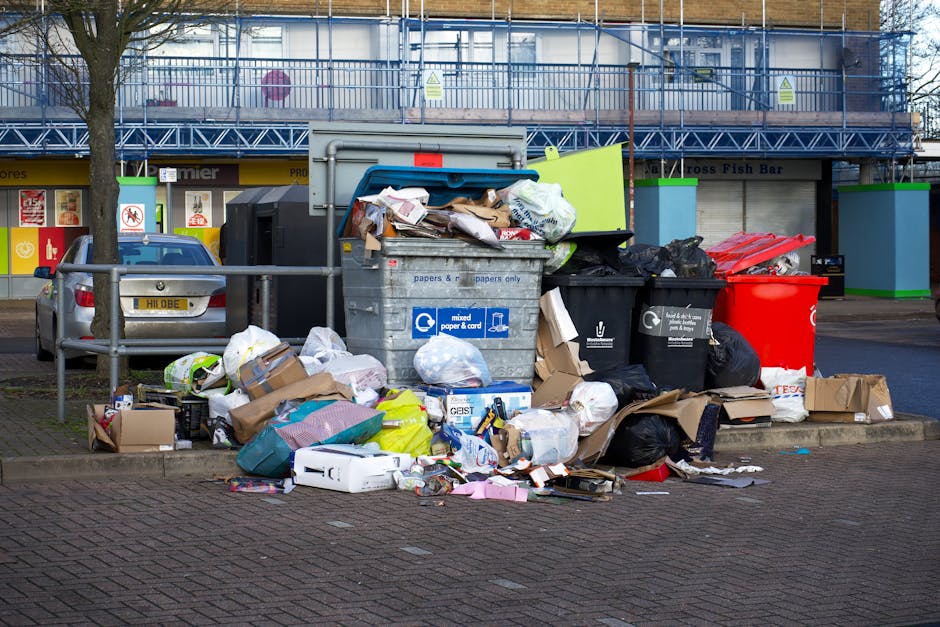
Bulky waste is not the same as everyday household rubbish. That sounds obvious, but in practice people mix the two up all the time. A chair, a wardrobe, a bed frame, a fridge, or a dismantled shelving unit can be classed very differently depending on how it is presented and how it is collected. In a busy place like Forest Gate, where streets are tight, parking is limited, and shared entrances are common, the way you dispose of larger items affects more than just your own convenience.
Following the Newham Council rules for bulky waste disposal in Forest Gate helps you avoid fly-tipping concerns, blocked pavements, neighbour complaints, and the familiar last-minute scramble when an item has been left outside too early. It also helps keep disposal costs predictable. That matters if you are already paying for a move, a flat clearance, or a refurbishment and do not want a small disposal issue to become a bigger headache.
There is also a simple practical reason: bulky waste is awkward. It can scratch walls, damage lifts, snag in hallways, and become a safety issue if it is handled badly. In an estate block or a narrow terraced street, one poorly placed sofa can quickly become everybody's problem. Not ideal, to put it mildly.
Key takeaway: if your bulky item is too large for normal bins, plan the disposal method before you move it. A little preparation usually saves time, money, and a fair bit of frustration.
How Newham Council rules for bulky waste disposal in Forest Gate Works
The exact process can change over time, so the safest approach is always to check current Newham Council guidance before you book or put anything out. That said, the way bulky waste collections normally work in London is fairly familiar.
In most cases, you will need to identify the items, arrange a collection slot if required, and follow any instructions about where to place them. Some items may need to be separated, especially if they contain electrical components, glass, refrigerants, or other specialist materials. For example, a metal bed frame is one thing; a fridge freezer is another. Same general category in everyday speech, different handling in disposal terms.
Forest Gate households often deal with bulky waste after a move, a bedroom refit, a tenancy change, or a long-overdue garage sort-out. The rules matter because the collection point, the timing, and the type of item can all affect whether the waste is accepted. If collection is missed because the item is obstructing a walkway, leaking, or not prepared properly, the whole thing can turn into an avoidable delay.
Private waste operators can sometimes offer a more flexible service than a council booking, especially if you have several items, mixed waste, or limited access. If you are comparing options, it helps to look at services such as waste removal, furniture disposal, or mattress and sofa disposal for items that need a quicker, more tailored clearance. That is not always the cheapest route, but sometimes it is the least stressful one.
Key Benefits and Practical Advantages
Getting bulky waste disposal right does more than clear floor space. It can genuinely make a move or declutter project feel manageable again.
- Less clutter, faster: large items tend to dominate a room, so removing even one or two can make a space feel usable again.
- Better compliance: you reduce the risk of items being left out in a way that breaches local rules or annoys neighbours.
- Safer access: hallways, stairwells, fire exits, and shared entrances stay clear.
- Cleaner recycling outcomes: items can be sorted more effectively when they are handled by the right service.
- Lower stress: you are not trying to squeeze a wardrobe into a hatchback at 7 a.m. with a broken glove and a bad mood.
Another practical benefit is timing. Council collections can work well when you are prepared in advance. Private clearance can work well when you are not. A lot depends on the state of the property and how much is going. If you are clearing out a house after tenants move, for example, a broader solution such as house clearance or home clearance may be more efficient than booking item by item.
Who This Is For and When It Makes Sense
This is relevant for quite a wide group of people in Forest Gate, not just homeowners.
- Tenants dealing with a move-out deadline or a landlord inspection.
- Landlords and letting agents who need a property cleared between tenancies.
- Homeowners replacing furniture or tackling a long-delayed clear-out.
- Flat residents who need to manage bulky items through shared access areas. A flat clearance can be much easier than trying to move everything piecemeal.
- Small businesses replacing desks, shelving, or office furniture.
- Tradespeople left with awkward waste after a job, where builders waste clearance may be the sensible option.
It also makes sense if you have one item that is physically difficult to move safely. A heavy wardrobe on a top floor without a lift? A wet garden bench after days of rain? A fridge that still needs proper handling? Those are the sorts of jobs where a plan matters more than enthusiasm.
If the disposal involves electrical equipment or mixed materials, a more specific route may be sensible. For instance, fridge and appliance removal is usually a better fit than a general household clear-out when you are dealing with bulky white goods.
Step-by-Step Guidance
Here is a practical way to handle bulky waste in Forest Gate without creating extra work for yourself.
- Identify the items clearly. Write down what needs removing and whether each item is furniture, electrical, garden waste, mixed rubbish, or something specialist.
- Check condition and hazards. Look for broken glass, sharp edges, fluid leaks, mould, pests, or loose fixings. If anything seems unsafe, do not drag it through a property without a plan.
- Separate reusable from non-reusable items. Some things may be suitable for reuse or donation elsewhere, while others are not worth the carry. Be honest here; the old chest of drawers may have had a good run.
- Measure access routes. Doors, stairways, lifts, and shared corridors matter. A sofa that fits the room may still not fit the staircase.
- Choose the disposal route. Council collection can work for straightforward bulky items. Private collection may be better for mixed or urgent jobs. If you need help with household contents generally, house clearance or furniture clearance may save time.
- Prepare items for collection. Follow any instructions about placing waste at the boundary or collection point. Keep paths clear and avoid blocking access.
- Confirm what is not allowed. Hazardous items, gas cylinders, paint, chemicals, and some electrical waste usually need separate handling. When in doubt, treat them cautiously.
- Keep records if needed. For landlords, businesses, or managed properties, note what was removed and when. That simple habit can help if questions come up later.
A quick practical tip: if you are clearing several bulky pieces from a room, remove smaller loose items first. It sounds tiny, but it prevents broken fittings, scratched floors, and the classic "where did this cable come from?" moment.
Expert Tips for Better Results
There are a few habits that make bulky waste disposal much smoother, especially in urban areas like Forest Gate where access can be tight.
First, sort by material, not just by room. Furniture, appliances, textiles, wood, and mixed waste often travel differently through the disposal chain. A quick sort before collection makes recycling easier and can reduce mistakes.
Second, photograph difficult items before booking. A picture of a damaged sofa, a rusted bike frame, or a stacked pile of broken furniture helps anyone arranging the collection understand the job. It is a small thing, but it helps a lot.
Third, think about timing around neighbours. If you live in a terrace or a block, avoid dragging items out late at night or very early in the morning unless that is specifically what you have arranged. Nobody enjoys a metal clatter at sunrise. Nobody.
Fourth, be realistic about lifting. If something feels too heavy or awkward, it probably is. Two people, the right gloves, and a clear route are worth far more than a rushed solo attempt.
Fifth, look at the wider clearance picture. If your bulky waste is part of a larger project, combining items into one visit may be better. That is where services like garage clearance, loft clearance, or office clearance can be more efficient than booking separate small jobs.
Common Mistakes to Avoid
A lot of problems with bulky waste are caused by simple, avoidable errors. Most are not dramatic. They are just annoying.
- Leaving items out too early. This can create obstruction or invite bad weather damage before collection.
- Assuming all bulky items are treated the same. A mattress, a fridge, and a chair do not necessarily follow the same route.
- Ignoring access issues. If the item cannot fit through the hallway or stairwell, do not wait until collection day to discover that fact.
- Mixing hazardous waste with ordinary bulky waste. That can cause refusal or extra handling requirements.
- Forgetting local rules for communal areas. Shared buildings often have extra expectations about where waste can be left.
- Underestimating weight. A damp mattress or old wardrobe can be heavier than it looks. Strange but true.
One of the more common mistakes in Forest Gate is assuming a quick street placement is "good enough" because other people have done it before. That is not a safe assumption. Local practice, building rules, and collection instructions all matter. Better to slow down for ten minutes than spend the rest of the day sorting out a preventable issue.
Tools, Resources and Recommendations
You do not need specialist equipment for every job, but a few simple tools can make bulky waste handling much safer and less messy.
- Work gloves for grip and cut protection.
- Protective footwear if you are moving heavy items over hard surfaces.
- Tape measure to check doors, lifts, and stair turns.
- Strong sacks or bags for loose components, screws, or small offcuts.
- Blankets or dust sheets to protect floors and door frames.
- Basic screwdriver or wrench set if furniture can be safely dismantled.
For items that are awkward rather than simply large, it helps to use the right service page as a guide. For example, if you are dealing with sofas or beds, mattress and sofa disposal is a useful place to look. If the item is a cabinet, dining set, or mixed furniture, furniture disposal may be a better match.
And if your bulky waste includes items that should not go into ordinary mixed waste streams, keep hazardous waste disposal in mind. It is one of those topics people tend to postpone, but postponing usually makes it harder, not easier.
Law, Compliance, Standards, or Best Practice
Bulky waste disposal sits inside wider UK waste-handling expectations, even when you are only dealing with a single item. The general principle is straightforward: waste should be stored, moved, and disposed of safely, and it should go through the correct route for its type. That applies whether you are a tenant, landlord, homeowner, or business.
For residents, the best practice is to follow the relevant borough guidance, place waste only where instructed, and avoid leaving items in ways that create obstruction or nuisance. For businesses, there is usually a stronger expectation of record-keeping and duty of care. If your clear-out includes desks, files, or stockroom contents, the rules are not just about tidiness. They are about responsible disposal and traceability too.
It is also wise to treat electricals, fridges, freezers, paint, chemicals, and sharp mixed waste as special cases. Even if something looks "just like rubbish", it may be subject to separate handling because of safety, recycling, or environmental concerns. That is why services such as waste removal and recycling and sustainability are important parts of the conversation, not afterthoughts.
For householders, the practical standard is simple: keep it safe, keep it lawful, and keep it easy for the collection crew to do the right thing. If you want reassurance on service quality and handling, health and safety policy and insurance and safety are the sort of pages that show how a provider approaches the job behind the scenes.
Options, Methods, or Comparison Table
Different waste routes suit different situations. The best choice depends on access, urgency, volume, and item type.
| Option | Best for | Strengths | Limitations |
|---|---|---|---|
| Council bulky waste collection | Simple household items, planned disposal | Structured, familiar, good for basic clearances | Less flexible, may require preparation and lead time |
| Private waste removal | Mixed items, urgent jobs, awkward access | Flexible timing, broader item handling, convenient | May cost more depending on the job |
| Furniture-specific disposal | Sofas, wardrobes, tables, beds | Better suited to large household items | Not ideal for mixed waste or specialist items |
| Full property clearance | Moves, probate, tenant changeovers, refurbishments | Efficient for many items at once | May be more service than you need for one item |
For many Forest Gate residents, the decision is less about "which is best" and more about "which one fits the day I actually have". A Sunday afternoon with a borrowed trolley is very different from a weekday deadline before new tenants move in.
Case Study or Real-World Example
A typical Forest Gate situation goes like this. A family clears a first-floor spare room after a long-overdue redesign. The room has an old double mattress, a broken chest of drawers, a mirror-front wardrobe, and a small pile of damaged shelves from a past DIY attempt. At first glance, it feels like one job. In reality, it is three different disposal problems.
The mattress and sofa-style bulk item needs one route. The wooden furniture needs another. The broken shelves, if they contain fittings or mixed materials, may need separating before removal. The family initially considers putting everything out together, but once the stairwell is measured and the hallway checked, it becomes clear that dismantling some pieces first will save a lot of frustration.
By sorting the items, protecting the floor with old sheets, and booking the right kind of clearance, they avoid blocking the shared entrance and finish the job in one go. Nothing glamorous. Just tidy, sensible, and far less stressful than the original pile suggested. That is usually how these things go, to be fair. The hard part is not the lifting; it is the planning.
Practical Checklist
Use this before you arrange bulky waste disposal in Forest Gate.
- List every bulky item clearly.
- Separate furniture, electricals, and hazardous materials.
- Measure doors, stairs, and lift access.
- Check whether items need dismantling.
- Decide whether council collection or private removal is more suitable.
- Confirm any local placement instructions.
- Clear the route from the item to the collection point.
- Protect floors, walls, and corners if items are heavy.
- Keep documents or photos if the property is managed.
- Book in enough time so you are not rushing on the day.
Small checklist, big difference. It really does save headaches.
Get a free quote today and see how much you can save.
Conclusion
The Newham Council rules for bulky waste disposal in Forest Gate are easiest to manage when you treat them as a planning exercise rather than a last-minute chore. Once you know what the item is, how it needs to be handled, and whether the access is realistic, the rest becomes much simpler.
For a single straightforward item, a council collection may be enough. For several items, awkward furniture, tight access, or a full property clear-out, a more flexible waste removal option can be the calmer path. Either way, the goal is the same: keep things safe, stay within the rules, and avoid making a simple job feel bigger than it needs to be.
If you take one thing from this guide, let it be this: measure first, sort second, dispose third. It is a boring little sequence, but it works. And honestly, boring is underrated when you are trying to move a sofa through a narrow hallway on a wet London afternoon.
Frequently Asked Questions
What counts as bulky waste in Forest Gate?
Bulky waste usually means large household items that do not fit into regular bins, such as sofas, mattresses, wardrobes, tables, beds, and some appliances. The exact treatment can vary by item type.
Can I leave bulky waste on the pavement for collection?
Only if the collection instructions specifically say to do so. Leaving items out without guidance can create obstruction or lead to complaints, especially on shared streets and in flat blocks.
Do Newham Council rules apply to flats as well as houses?
Yes, but flats often have extra access considerations. Shared entrances, lifts, and communal corridors can change how and when items should be moved.
What should I do with a mattress or sofa?
Mattresses and sofas are common bulky items, but they often benefit from a more specific disposal route. A dedicated service such as mattress and sofa disposal is usually more suitable than general rubbish handling.
Are fridges and freezers treated as bulky waste?
They are bulky, yes, but they are usually treated as a specialist item because of refrigerants and electrical components. Fridge and appliance removal is normally the better fit.
What happens if I mix hazardous waste with bulky waste?
That can cause the collection to be refused or handled as a separate issue. Paint, chemicals, sharp materials, and similar items should be identified clearly and kept apart.
Is it cheaper to use the council or a private waste company?
It depends on the amount and type of waste, access, and urgency. Council collections can suit simple jobs, while private removal may be better value when you need speed, flexibility, or several different item types handled together.
Can I include builders' waste with bulky household items?
Sometimes not. Builders' rubble, timber offcuts, and renovation debris may need a separate route, especially if the waste is mixed or heavy. Builders waste clearance is often the clearer option.
How do I prepare bulky items for collection?
Make sure access routes are clear, remove loose contents, dismantle items if needed, and follow the placement instructions you were given. A little preparation makes a big difference.
What if I live in a top-floor flat with no lift?
That is exactly the sort of situation where planning matters most. Measure the item, check the stair turns, and consider whether a clearance service is safer than trying to move it yourself.
Can bulky waste be recycled?
Sometimes, yes. It depends on the material and the condition of the item. Wood, metal, and some appliances may be recyclable through the right route, which is why sorting matters.
Where can I get help if I have several bulky items to remove?
If you are clearing a room, a flat, a loft, or a whole property, services such as house clearance, loft clearance, or flat clearance may be more efficient than handling each item separately.