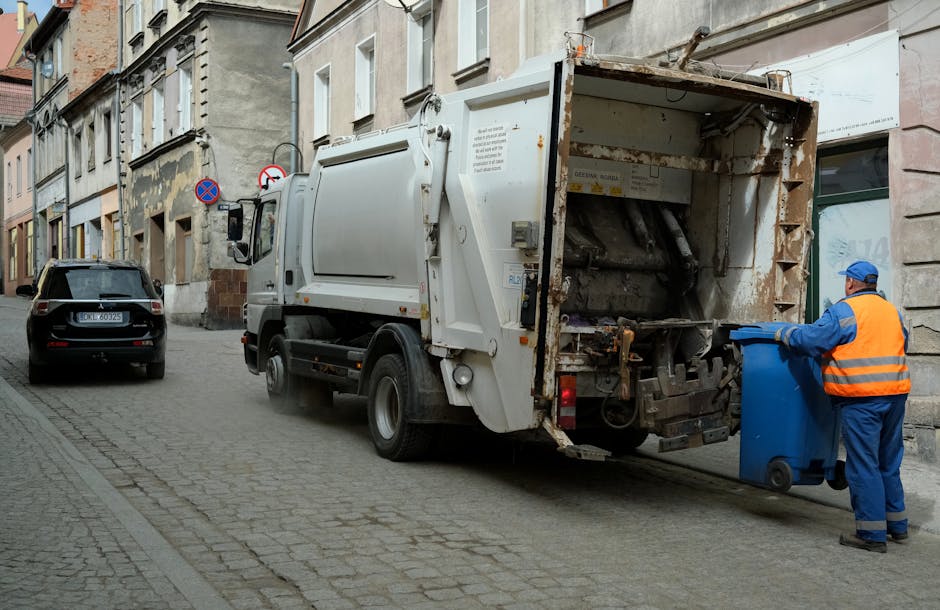
Avoid hidden charges when booking rubbish removal in Forest Gate
If you have ever booked a clearance and then watched the final bill creep up for no obvious reason, you will know how frustrating it feels. The good news is that avoid hidden charges when booking rubbish removal in Forest Gate is not just about finding the cheapest quote. It is about understanding what should be included, what can change the price, and how to ask the right questions before anyone turns up at the kerb with a van.
Forest Gate homes, flats, shops, and building projects all produce different kinds of waste, and that means pricing can vary. But surprise fees do not need to be part of the deal. With a clear process, a careful quote, and a few sensible checks, you can keep costs transparent and avoid those awkward "oh, that will be extra" moments. Let's face it, nobody enjoys those.
Why Avoid hidden charges when booking rubbish removal in Forest Gate Matters
Hidden charges usually show up when the job is quoted too loosely. Maybe the collection was based on a quick photo, maybe access was not discussed properly, or maybe the waste type was more awkward than first thought. Whatever the trigger, the result is the same: the price you expected is not the price you pay.
In a place like Forest Gate, that matters even more because properties vary so much. A basement flat on a busy road, a terraced house with tight access, a loft clearance after a renovation, or a business unit with mixed commercial waste all create different logistical costs. If a quote does not reflect those details, the final figure can shift. And yes, sometimes the shift is fair. But not always.
Being alert to hidden fees also helps you compare providers properly. A lower headline price can look attractive, but if it excludes labour, loading time, congestion considerations, restricted access, or special handling, the real cost may end up higher. Truth be told, the cheapest quote is often the most expensive one once the extras arrive.
Expert summary: the safest rubbish removal quote is the one that clearly explains what is included, what could change the price, and what circumstances would trigger a surcharge. If that is missing, treat the quote with caution.
If you want to review how a provider frames pricing and inclusions, their pricing and quotes page is usually the first place to look. It should help you judge whether the pricing looks straightforward or a bit slippery.
How Avoid hidden charges when booking rubbish removal in Forest Gate Works
The process is simpler than it sounds. You are basically trying to make sure the quote matches the actual job, not an idealised version of it. That means describing the waste accurately, checking the access, and confirming what happens if the load turns out to be bigger or trickier than expected.
A transparent rubbish removal quote usually follows a few basic parts:
- Waste type: general household waste, furniture, builders waste, garden waste, appliances, confidential material, or hazardous items.
- Volume or load size: how much space the rubbish will take in the vehicle or container.
- Labour: whether the team is collecting from the kerb, the garden, the flat, or an upper floor.
- Access: stairs, narrow hallways, parking restrictions, long carries, or timed entry.
- Special handling: heavy items, fragile items, appliances, or regulated waste.
A good provider will ask questions before giving a price. That is actually a positive sign. If nobody asks anything and you get a one-line price with no detail, be a little careful. You do not need a ten-page essay, but you do need enough clarity to know what you are paying for.
It also helps to understand the difference between a fixed price and an estimate. A fixed price should stay fixed if the job matches the description. An estimate gives a guide, but may change if the reality differs. Neither is wrong. The issue is when the customer is not told which one they are being given.
For jobs with specialist waste, the category matters. For example, you may need separate handling for items that fall under hazardous waste disposal, or a dedicated approach for fridge and appliance removal, because those items can involve different handling and processing requirements.
Key Benefits and Practical Advantages
When you take a careful approach, the benefits are immediate. You get fewer disputes, fewer delays, and a much better sense of control over the job. That sounds obvious, but in practice it makes the whole experience far calmer.
- Clear budgeting: you know the likely total before work begins.
- Less stress: no awkward discussion when the team arrives.
- Faster booking decisions: you can compare apples with apples.
- Better service fit: the provider can send the right vehicle and crew.
- Fewer disputes: everyone understands the scope in advance.
- Better safety: specialist waste and heavy items are handled properly.
There is also a quiet practical advantage: transparency tends to weed out poor operators. If a company is happy to explain the pricing clearly, it is often a sign they are organised in other areas too, including insurance, recycling, and customer service. Not always, of course, but often enough to matter.
When your clearance is part of a wider home project, it can be useful to pair rubbish removal with related services such as house clearance, loft clearance, or builders waste clearance. Matching the service to the waste type usually makes pricing easier to understand.
Who This Is For and When It Makes Sense
This is for anyone who wants a rubbish removal job done without unpleasant surprises. That sounds broad, because it is. But there are some common situations where hidden charges are especially easy to stumble into.
- Homeowners clearing out a property after a move, refurbishment, or long-overdue declutter.
- Flat residents dealing with stairs, no lift access, or awkward parking.
- Landlords and letting agents who need fast turnaround and predictable invoices.
- Builders and trades managing mixed site waste, rubble, or packaging.
- Businesses that need office, stockroom, or archive clearance with clear invoicing.
- Anyone disposing of bulky items like sofas, mattresses, appliances, or garage contents.
It is especially sensible when you are dealing with mixed waste. One item can change the price structure. A sofa collection is not the same as a bag of general rubbish, and an office clear-out is not the same as a garden tidy-up. If you are dealing with soft furnishings, a visit to mattress and sofa disposal or furniture disposal can help you understand how those items are usually treated.
And for business owners, invoice clarity matters just as much as the actual collection. If you need regular or one-off commercial collections, business waste removal can be a better fit than a generic ad-hoc booking.
Step-by-Step Guidance
Here is the practical bit. If you want to reduce the chance of hidden charges, work through the booking in a structured way. No drama. Just a few sensible checks.
- List exactly what needs removing. Be honest about quantity, weight, and item type. If the pile is "about a van load" but actually includes broken furniture, paint tins, and garden rubble, say so.
- Take clear photos from multiple angles. Include access routes, stairs, alleyways, and parking space if relevant. A photo of the waste alone is only half the picture.
- Ask whether the quote is fixed or estimated. This one question prevents a lot of confusion later.
- Check what the price includes. Ask about labour, loading, waiting time, disposal, and any minimum charge.
- Ask about possible extras. Heavy lifting, long carries, added bags, restricted parking, or waste that turns out to be different from the description may affect the price.
- Confirm how specialist items are handled. Appliances, confidential papers, and hazardous waste often need separate arrangements.
- Read the terms before booking. This is the boring bit, yes, but it is where many surprises hide.
- Get the final agreement in writing. A text or email summary is enough for most jobs and gives both sides something to refer back to.
If you are making a booking online, a clear route through the process matters. A page like book online should ideally make the scope of the service easy to understand before you commit.
One small but useful trick: if you are unsure whether something counts as normal rubbish, ask before the team arrives. That one message can save a lot of hassle. A five-minute check is better than a five-pound argument. Or a fifty-pound one, which is worse.
Expert Tips for Better Results
After a while, patterns become obvious. The jobs that stay on budget are usually the ones where the customer communicates clearly and the provider answers clearly. Simple, but worth repeating.
- Use one point of contact. If three different people are giving different details, something will get lost.
- Be specific about access. "Easy access" means different things to different people. A narrow staircase in a Victorian terrace is not easy for every load.
- Separate out risky items early. Paint, chemicals, gas cylinders, batteries, and old fridges can alter the job.
- Ask how recycling is handled. A clear recycling approach is usually a sign of a more organised operation.
- Check payment method and timing. Know whether payment is due before, during, or after the collection.
- Keep photos and messages. If there is ever a disagreement, you have a record.
In our experience, the best quotes are almost conversational. They feel like someone has actually listened. You explain the load, they ask a few decent questions, then the price makes sense. That is the standard to aim for.
If sustainability matters to you, it is worth looking at how the company handles sorting and recovery. A page such as recycling and sustainability can help you see whether the provider talks sensibly about responsible disposal rather than using vague green wording that sounds nice but says nothing.
Common Mistakes to Avoid
This is where people usually slip up. Not because they are careless, but because rubbish removal is one of those jobs that seems straightforward until it is not.
- Choosing the lowest headline price without checking inclusions. A cheap quote can hide a lot.
- Underestimating the amount of waste. One extra heap can change the vehicle size or labour time.
- Forgetting to mention stairs or parking restrictions. Those details matter more than most people expect.
- Assuming every item is ordinary waste. Some materials need special handling.
- Not reading the terms. It is dull, yes, but the terms often explain when charges change.
- Booking without asking about disposal fees. In some cases, fees are linked to how the waste must be processed.
- Not confirming the quote in writing. Memory is unreliable when money is involved. Funny how that works.
Another common mistake is treating a mixed job as if it were a simple one. For example, a garage clear-out might include old chairs, paint cans, a rusted appliance, and a pile of general rubbish. That is not one neat category. It may need a blended service such as garage clearance or home clearance, depending on the contents.
If your job involves a flat, tight access, or communal areas, you may also want to look closely at flat clearance so you know how the process is normally handled in more constrained spaces.
Tools, Resources and Recommendations
You do not need a complicated toolkit, just a few practical things that make the quote more accurate.
| Tool or resource | Why it helps | Best use |
|---|---|---|
| Phone camera | Gives the provider a clear visual of waste and access | Before requesting a quote |
| Simple item list | Prevents missing heavy or specialist items | Any collection, especially mixed waste |
| Message history | Creates a record of what was agreed | When quoting terms need to be checked later |
| Provider terms and pricing page | Explains inclusions and possible extra charges | Before you confirm the booking |
| Service-specific guidance pages | Helps match the job to the right disposal method | For furniture, appliances, builders waste, or specialist items |
It can also help to understand what the provider considers acceptable waste. If you are unsure whether an item belongs in a collection or needs separate handling, what can go in a skip is a useful way to compare expectations, even if you are not actually hiring a skip.
For peace of mind around payment handling, a page like payment and security should explain how transactions are managed and what safeguards are in place. That is especially reassuring if you are booking online for the first time.
Law, Compliance, Standards, or Best Practice
Rubbish removal is not just a matter of picking things up and driving away. In the UK, waste needs to be handled responsibly, and good operators should be able to explain their processes in plain English. You do not need to become a compliance expert, but a few common-sense expectations are worth knowing.
First, a reputable provider should have a sensible approach to insurance and safety. If workers are entering your property, lifting heavy items, or moving waste through shared spaces, safety should never be an afterthought. A page like insurance and safety should give you a feel for how seriously the company takes that side of the job.
Second, some waste types require more care than standard household rubbish. Hazardous materials, confidential papers, and certain appliances should not be treated casually. If a company seems vague about special items, ask again. And if the answer stays vague, that is your answer, really.
Third, terms and conditions matter. Not because they are exciting, but because they define the service, the scope, and the situations where extra charges can apply. A transparent provider should make those terms available and easy to understand. You can review the company's terms and conditions before you book.
Fourth, responsible disposal includes more than just removing the waste. Sorting, recycling, and proper handling are part of best practice. If a company is open about its environmental approach, that is a good sign. If not, ask. No need to be difficult, just informed.
There is also a customer-service side to compliance. If something goes wrong, you should know what the complaints process is and how issues are handled. A clear complaints procedure is not a bad thing; it is reassurance that the company has thought about the occasional problem instead of pretending none ever happen.
Options, Methods, or Comparison Table
Different waste situations call for different approaches. Here is a straightforward comparison to help you think it through.
| Option | Best for | Typical pricing risk | Hidden-charge risk |
|---|---|---|---|
| Simple waste removal | General mixed rubbish, bags, small clear-outs | Medium if volume is unclear | Moderate |
| House or home clearance | Multiple rooms, lofts, full-property clear-outs | Higher if access and item type are not clear | Moderate to high |
| Furniture or sofa disposal | Bulky household items | Usually lower if item count is clear | Lower if arranged in advance |
| Builders waste clearance | Renovation debris, rubble, packaging, site waste | Higher because weight and materials can vary | Higher |
| Business waste removal | Offices, shops, stockrooms, commercial sites | Depends on volume and schedule | Moderate if scope is defined badly |
The main takeaway is simple: the more mixed, heavy, or access-heavy the job, the more important the quote detail becomes. If the provider does not ask enough questions, the price may not be robust enough either.
Case Study or Real-World Example
Imagine a homeowner in Forest Gate clearing out an old spare room and the corner of a garage at the same time. The room has a broken wardrobe, a mattress, several bags of general clutter, and a small fridge that has not worked for years. The garage has paint tins, garden tools, and a few damp boxes.
A rushed booking could go wrong fast. The provider might quote for "a small load" based on the room alone, then arrive and discover the fridge, the tins, and the extra bags. Suddenly the price changes. Not because anyone is being unreasonable, but because the job was never fully described.
A better approach is to take photos, list the items, mention the fridge, and clarify access to both areas. The provider can then quote for the full scope, schedule the right vehicle, and explain whether any items need separate handling. The customer gets a more stable price. The crew gets a cleaner job. Everyone breathes a little easier.
That kind of clarity also makes sense for landlords and agents. A flat with leftover furniture, loose rubbish, and a few awkward appliances can be booked more accurately when the requirements are laid out in advance. A service like furniture clearance or fridge and appliance removal may be more suitable than a general uplift. Small detail, big difference.
Practical Checklist
Use this before you confirm any rubbish removal booking in Forest Gate.
- Have I described every item that needs removing?
- Have I included photos of the waste and the access route?
- Do I know whether the price is fixed or estimated?
- Have I asked what the quote includes?
- Have I checked for possible extras such as stairs, long carries, or parking issues?
- Have I flagged any heavy, fragile, or specialist items?
- Have I read the terms and conditions?
- Do I know how payment works?
- Have I asked what happens if the load changes on arrival?
- Do I have the agreement in writing?
If you can tick those off, you are in a much stronger position. Not perfect, maybe, but definitely better. And better is usually enough.
Get a free quote today and see how much you can save.
Conclusion
To avoid hidden charges when booking rubbish removal in Forest Gate, the trick is not to overthink everything; it is to be precise about the job before the price is agreed. Clear photos, honest descriptions, a proper conversation about access, and a written quote will do most of the heavy lifting for you.
Once you know what is included, what could change, and what counts as specialist waste, the whole process becomes far less stressful. That is the real win here. Not just saving money, but avoiding the sour feeling that you were sold one thing and delivered another.
If you take anything from this guide, let it be this: a transparent quote is worth more than a cheap one that needs decoding. You deserve clarity, and a good provider should be able to give it without fuss. Simple as that.
Frequently Asked Questions
What causes hidden charges in rubbish removal quotes?
Hidden charges usually come from unclear job details, such as underestimated volume, difficult access, specialist waste, or extra labour not discussed before booking. The safest way to prevent them is to confirm scope, price type, and exclusions in writing.
Should a rubbish removal quote be fixed or estimated?
Either can be fine, but you should know which one you are getting. A fixed quote should stay stable if the job matches the description. An estimate can change if the waste type or amount is different from what was originally explained.
How can I compare rubbish removal prices fairly?
Compare quotes only after checking what they include. Look at labour, loading, disposal, access, and any extras. Two quotes that look different on the surface may actually be very similar once everything is included.
Do stairs or limited access affect the cost?
They often can. Carrying waste down stairs, through narrow hallways, or across long distances may take more time and labour. That does not automatically mean a bigger bill, but it should be discussed before the booking is confirmed.
Are appliance removals priced differently?
Yes, they can be. Items such as fridges, freezers, and other appliances may require different handling or processing from standard rubbish, so it is sensible to mention them early and ask whether they are included in the quote.
What should I ask before booking rubbish removal in Forest Gate?
Ask whether the quote is fixed, what it includes, whether there are any extra charges, how payment works, and how specialist items are handled. If the job involves a flat, builders waste, or bulky furniture, ask about access too.
Can I avoid hidden charges by sending photos?
Yes, photos help a lot. Clear pictures of the waste, the room, and the access route give the provider a better idea of the actual job. It is not a guarantee, but it reduces the risk of surprises on the day.
Is it normal for rubbish removal companies to charge extra for specialist waste?
Yes, that is normal. Specialist waste often needs separate handling, sorting, or disposal. The important part is not that extra charges exist, but that they are explained before you agree to the booking.
What if the team arrives and says the job is bigger than expected?
Ask them to explain why and compare that with the photos or description you provided. If the job genuinely changed, a revised quote may be fair. If it does not match what was agreed, you should refer back to the written details.
How do I know if a rubbish removal company is trustworthy?
Look for clear pricing, sensible terms, a straightforward complaints process, and practical information about insurance, safety, and disposal practices. Trustworthy companies tend to explain things without dodging the question.
Is it cheaper to clear rubbish myself?
Sometimes, but not always. You may need transport, time, help lifting heavy items, and somewhere legal to dispose of the waste. For bulky, mixed, or awkward jobs, professional removal can actually be the more efficient option.
What is the best way to keep the final bill under control?
The best way is to describe the job properly from the start, confirm what is included, and get the agreement in writing. A little care upfront usually saves much more effort later, and it keeps the whole thing pleasantly ordinary.